

Jet Card Programs Compared: Who Sells Them, What They Cost, and What to Watch For
Jet cards are a prepaid block of private jet hours at a locked rate. The market has dozens of programs, but the structural differences between them matter more than the brochure. Here is who sells them, what they actually cost, and one refund clause that costs buyers thousands.
Bravo Editorial Team/August 15, 2026/Updated September 23, 2026/8 min read
The jet card market in the United States has grown into a multi-billion-dollar segment of private aviation. Dozens of providers sell prepaid blocks of flight hours, each with its own rate structure, availability guarantee, fleet access, and fine print. For a buyer wiring $100,000 or more against future flying, the differences between programs are not cosmetic. They determine what you actually pay per hour, whether an aircraft shows up on a holiday weekend, and what happens to your money if you stop flying.
This is a provider-level look at who sells jet cards today, how the major programs compare, and one contract clause, the "refundable" deposit, that is quietly costing buyers thousands of dollars in fees they did not expect.
The Major Jet Card Providers
The US market has both operator-run and broker-run card programs. The distinction matters: an operator flies you on aircraft it controls; a broker sources each flight from third-party operators and marks up the rate.
Operator Programs
NetJets runs the largest private fleet in the world and sells cards alongside its fractional shares. NetJets cards carry a premium price point, typically above $15,000 per hour for heavy jets, but come with one of the deepest fleet commitments in the industry. Availability and safety standards are consistently high. The minimum deposit is substantial, often $150,000 or more depending on aircraft class.
Flexjet operates its own fleet of Gulfstream, Challenger, and Praetor aircraft, and its jet card program mirrors the fractional side in service level. Flexjet has been expanding its managed fleet and tends to price competitively against NetJets in the large-cabin segment.
flyExclusive runs a large fleet of light and midsize jets and sells cards at rates that undercut the fractional houses. The program is popular with price-conscious buyers who fly regionally. flyExclusive is a publicly traded operator and one of the more transparent companies in the space on fleet size and utilization.
Jet Linx operates from a network of private terminals across the US and sells cards anchored to specific bases. The model means your jet is often parked closer to you, which can mean lower positioning costs and faster response times. Jet Linx has built a strong reputation in the Midwest and Southeast.
XO (Vista Global) combines an operator fleet with a technology platform that also accesses the broader charter market. XO cards can draw from Vista's owned fleet (VistaJet globally, XOJET domestically) or source from vetted third-party operators. The dual model gives availability depth but means the actual operator on a given flight varies.
Wheels Up sells memberships and prepaid programs across light, midsize, and heavy aircraft. After its 2024 restructuring and Delta Air Lines investment, Wheels Up has been rebuilding its fleet and program economics. Buyers should confirm current fleet commitments and rate guarantees directly, as the program has changed several times.
Broker Programs
Sentient Jet (operated by Flexjet) is the longest-running broker card in the US market. You buy hours at a fixed rate; Sentient sources each flight from Part 135 operators. The program has a 25-hour minimum and is priced at a premium to spot charter, which is the cost of the rate lock and the sourcing guarantee.
Magellan Jets operates a concierge-style broker card with a smaller, high-touch client base. Rates are competitive with Sentient in the midsize and super-mid segments. Magellan sources from a curated operator list and has a strong track record with repeat clients.
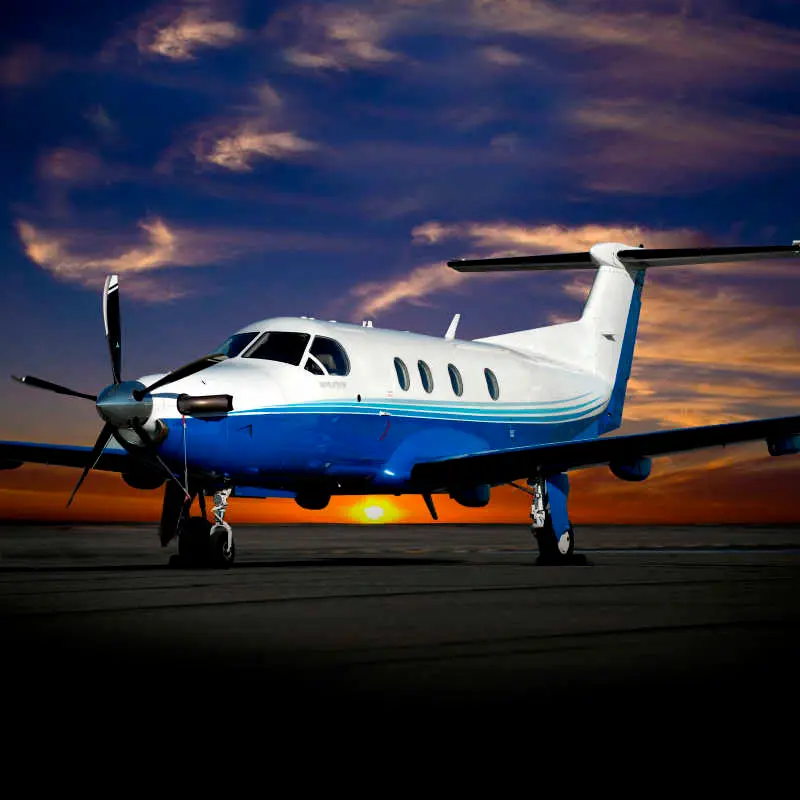
Nicholas Air runs its own fleet of Pilatus PC-12s and Phenom 300s, and its card pricing is among the most competitive in the light and midsize categories. It is technically an operator, not a broker, but its regional focus in the Southeast makes it a niche player.
What a Jet Card Actually Costs
The headline hourly rate is only the starting point. A fair comparison requires looking at four numbers together.
$100K-$250K
Typical deposit range
25-50 hrs
Standard block sizes
$3,500-$22,000
Hourly range by class
10-60+ days
Peak surcharge days per year
The hourly rate varies by aircraft class. Light jets typically run $4,500 to $6,500 per hour on a card; midsize $6,500 to $9,000; super-midsize $8,500 to $12,000; heavy $13,000 to $22,000. These ranges sit above on-demand charter rates because you are paying for a rate lock and availability guarantee.
The daily minimum is where programs diverge silently. A card with a 2-hour daily minimum charges you 2 hours even for a 35-minute hop. If your flying pattern is short regional legs, this single clause can double your effective cost. Some programs bill 1-hour minimums; others go as high as 2.5.
Peak-day surcharges add 15% to 50% on holiday weekends, Thanksgiving, Christmas, spring break Saturdays, and big-event dates. The number of peak days varies wildly: some programs designate 15 days a year, others 60. Ask for the calendar before signing.
Federal excise tax (7.5% on domestic flights) is sometimes included in the quoted rate and sometimes added on top. Two programs quoting "$10,000 per hour" can differ by $750 per hour based on this alone.
For a deeper breakdown of rate mechanics, see How Jet Cards Actually Work.
The "Refundable" Jet Card Trap
This is the section buyers need to read carefully.
The rate-recalculation trap
Several charter brokers structure their refund terms around a rate recalculation. You buy a 25-hour card at $8,000 per hour, $200,000 total. You fly 10 hours. You ask for the remaining $120,000 back. The contract says yes, but every hour you flew is now re-rated at the broker's "retail" or "on-demand" rate, sometimes 30% to 50% higher than the card rate. At $12,000 per hour, that is a $40,000 clawback. Your $120,000 "refund" becomes $80,000.
This is not a hypothetical. It is a standard clause in several broker jet card contracts sold today. The refund is real, the recalculation is also real, and the net effect is that exiting the program costs tens of thousands of dollars more than the buyer expected.
The flat-fee exit
Other brokers take a different route. Naples-based charter brokerages, for example, charge a flat administrative fee to process refunds, often $10,000 to $25,000. The brochure still says "fully refundable," and technically it is, minus the five-figure exit fee. A flat fee is at least predictable, unlike the rate-recalculation model, but calling a product "fully refundable" when the refund carries a $15,000 toll is a stretch of the language that buyers should see coming before they wire the deposit.
The bottom line on refunds
No jet card refund is truly free. The question is how much it costs to exit and whether that cost is disclosed plainly before the sale. If a sales rep cannot give you the exact dollar amount you would receive back after flying 5, 10, or 15 hours, the refund clause is not a feature. It is a retention mechanism dressed up as buyer protection.
What to Ask Before You Sign
Before committing to any jet card that advertises refundability, ask three questions in writing:
- What rate are flown hours recalculated at if I request a refund? If the answer is anything other than the card rate you are paying, the "refundable" label is a marketing term, not a financial guarantee.
- Are there administrative or early-termination fees on top of the rate adjustment? Some programs layer a flat fee ($5,000 to $15,000) on top of the rate recalculation.
- Is the refund timeline defined? A contract that says "refundable" but allows 90 to 180 days to process the return is tying up six figures of your capital with no commitment in return.
The honest providers in this market will answer all three questions plainly. The ones who will not are telling you something.
How to Compare Programs Side by Side
| Provider | Type | Typical classes | Min deposit | Peak days | Refund terms |
|---|---|---|---|---|---|
| NetJets | Operator | Mid to heavy | ~$150K+ | 20-30 | Contract-specific |
| Flexjet | Operator | Mid to heavy | ~$125K+ | 25-35 | Contract-specific |
| flyExclusive | Operator | Light to mid | ~$50K+ | 15-25 | Published terms |
| Jet Linx | Operator | Light to heavy | ~$100K+ | 20-30 | Base-specific |
| XO (Vista) | Hybrid | Light to heavy | ~$100K+ | 30-50 | Program-dependent |
| Sentient Jet | Broker | Light to heavy | ~$125K+ | 25-40 | Rate recalculation on refund |
| Magellan Jets | Broker | Mid to heavy | ~$100K+ | 20-30 | Published terms |
| Wheels Up | Operator | Light to mid | Varies | Varies | Program restructured |
These are market-typical ranges, not guaranteed current pricing. Confirm directly with each provider.
The Bottom Line
A jet card is a good product when it matches your actual flying pattern: your typical mission length clears the daily minimum, your travel dates dodge most of the peak calendar, and the deposit size is money you can afford to have locked for 12 to 24 months. It is a bad product when you are buying it on the strength of a refund clause you have not stress-tested.
Read the contract. Count the peak days against your own calendar. Run the refund math before you need it, not after. And check whether the operators behind any broker card meet the same safety standards you would demand if you were booking the flight yourself.
You can compare operators and brokers, read verified flier reviews, and request quotes on Bravo.
Further reading
Keep reading
All posts → Costs & Pricing
Jet Card Comparison: Side-by-Side Programs for 2026
A side-by-side comparison of major jet card programs including NetJets, Flexjet, Sentient, flyExclusive, Jet Linx, and more. What matters and what to watch for.
9 min read
 Costs & Pricing
How Much Is a Private Jet from Seattle to Los Angeles?
A private jet from Seattle to LA costs $8,000 to $22,000 one-way. The 2.5-3 hour flight is a tech executive favorite with strong empty leg availability.
6 min read
 Routes & Airports
The Busiest Private Jet Routes in the US
The corridors that carry most US private jet traffic, why they run hot, the seasonal surges, and what busy routes mean for pricing, empty legs, and booking.
7 min read
Ready when you are
Compare rated operators on your route
One request, multiple itemized quotes from audited Part 135 operators, with reviews and safety ratings beside every name.