

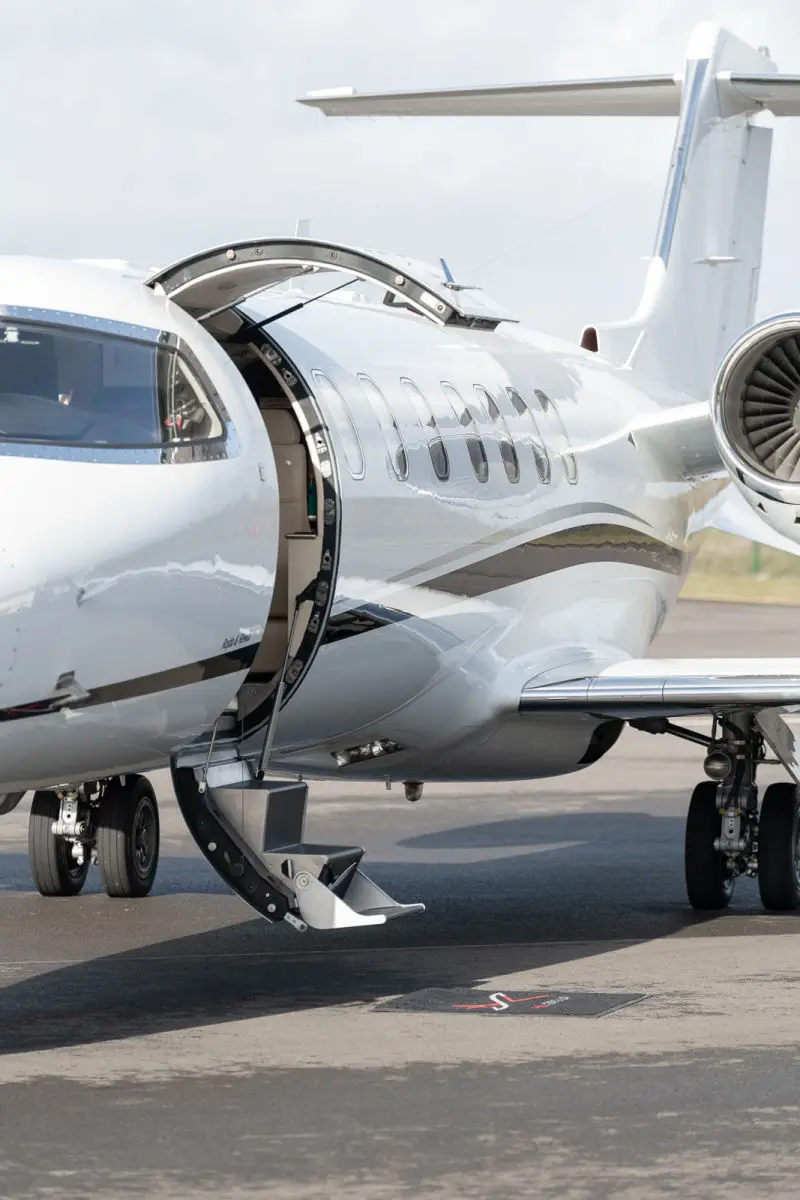
Private Jet Etiquette: The Unwritten Rules Every Passenger Should Know
From boarding order to tipping the crew, the customs experienced fliers follow instinctively - and newcomers learn by trial and error.
Bravo Editorial Team/August 17, 2026/Updated September 23, 2026/4 min read
Nobody hands you a rulebook when you start flying privately. There's no safety video about social norms, no placard explaining who boards first or whether you should tip the pilot. Yet private aviation absolutely has a code of conduct, a set of unwritten rules that experienced fliers follow instinctively and newcomers learn, sometimes awkwardly, by trial and error.
This article covers the etiquette that actually matters: the customs that affect your relationship with the crew, the operator, and anyone flying with you. None of it is complicated. All of it makes you a better passenger, and better passengers get better service, better recovery when things go wrong, and a better reputation with the operators they fly with.
Before the Flight
Be On Time, Which Means Early Is Wrong Too
One of private aviation's great luxuries is that the plane leaves when you're ready. But that doesn't mean showing up whenever you like. Arriving 15 minutes before your scheduled departure is ideal. Arriving an hour early can be a problem: the aircraft may still be in catering or cleaning, the crew may be finishing their preflight, and the FBO may not have your aircraft on the ramp yet.
Arriving late is worse. Crews operate under strict duty-time regulations. If your delay pushes the crew past their legal duty limit, your flight doesn't depart late, it doesn't depart at all. If you're running behind, call the operator or your broker immediately. A heads-up an hour out gives everyone options; a shrug at the FBO gives them none.
Send the Manifest Details Early
Full legal names, dates of birth, and passport details (for international trips) are not optional paperwork. Crews must file them, and last-minute changes to the passenger list can trigger delays, customs complications, or a scrubbed international departure. If you're adding a guest, tell the operator the moment you know, not at the FBO.
Boarding and Seating
The Lead Passenger Boards Last, Usually
Convention holds that the principal (the person paying for or hosting the flight) boards last and deplanes first. In practice, most hosts don't stand on ceremony, but if you're a guest on someone else's aircraft, wait for your host's cue before boarding, and never board before them without an invitation.
Guests Don't Take the Best Seat
On most cabin layouts there's an obvious "best seat", typically the forward-facing club seat on the right side, or whichever seat the owner habitually uses. If you're a guest, leave it open. Let your host sit first or tell you where to sit. It sounds trivial; it is noticed.
Respect the Crew's Space
The cockpit is a workplace. A friendly hello is welcome; hovering in the doorway during preflight is not. If the flight deck door is open in cruise and the crew invites conversation, enjoy it, many pilots love talking about the aircraft. But let them extend the invitation.
In the Cabin
Treat the Aircraft Like a Borrowed Home
Charter aircraft are often owned by individuals, not the operator. Red wine on cream leather, boots on upholstery, and smoking (which is prohibited on nearly every charter aircraft, whatever you've seen in films) can generate real cleaning and refurbishment invoices, which flow directly back to you. Most charter agreements make the client financially responsible for cabin damage beyond normal wear.
Alcohol: The Crew Has Final Say
Yes, the bar is stocked, and yes, it's your flight. But the pilot in command has absolute legal authority over the aircraft, including the right to refuse boarding to, or divert for, an intoxicated passenger. A diversion for an unruly passenger is not just embarrassing; the costs land on the client, and operators keep notes.
Children and Pets
Both are welcome on most charters, with notice. Car seats, bassinets, and pet arrangements need to be planned before the flight, not discovered at boarding. Our guides to flying with children and flying with pets cover the details, and there's a full pet-travel article on this blog.
The Tipping Question
The most-asked etiquette question in private aviation, and the honest answer is: tipping is appreciated but never expected.
| Who | Typical range | Notes |
|---|---|---|
| Pilots | $100–$500 per pilot | Not customary; many operators discourage it. A sincere thank-you and a positive review carry more weight. |
| Cabin attendants | $50–$200 | More common, on larger aircraft with dedicated cabin crew. |
| FBO and line staff | $20–$50 | Standard courtesy for staff who handle bags or arrange vehicles. |
If in doubt, ask your broker or the operator what's customary for that crew. Nobody has ever been penalized for asking.
After the Flight
Leave the cabin roughly as you found it, crews expect to clean, but there's a difference between clearing glasses and excavating. Take everything with you; retrieving a forgotten passport from an aircraft that repositioned overnight to another state is exactly as painful as it sounds.
Finally: feedback matters more in private aviation than almost any other service industry. If a crew was excellent, tell the operator by name, and consider leaving a verified review on the operator's profile so the next flier benefits too. If something went wrong, tell the operator that as well: calmly, in writing, promptly. Operators fix problems for clients who communicate; they quietly deprioritize clients who explode.
The One Rule Above All
“In an industry built on relationships, courtesy is the cheapest upgrade you'll ever buy.”
Every rule above compresses into one principle: the crew are professionals, not staff. Passengers who treat pilots and cabin crew with respect get flexibility, upgrades, and heroic recoveries when weather wrecks a schedule. Passengers who don't, get exactly the contract and nothing more.
Keep reading
All posts → The Experience
Can You Stream on a Private Jet? Wi-Fi, Speeds, and What to Expect
Cabin Wi-Fi on private jets varies wildly. Here is what actually works at 45,000 feet, from email to 4K streaming, and what to ask before you book.
7 min read
 The Experience
How Fine Art Travels by Private Jet
Why collectors move masterpieces by private jet: the climate control, security, customs, and chain-of-custody that make a chartered aircraft the safest way to fly fine art.
5 min read
 The Experience
Flying With Pets on a Private Jet: The Complete Guide
On a private jet your pet rides in the cabin with you, not in a cargo hold. Here's what operators require, what it costs, and where owners get burned.
4 min read
Ready when you are
Compare rated operators on your route
One request, multiple itemized quotes from audited Part 135 operators, with reviews and safety ratings beside every name.