

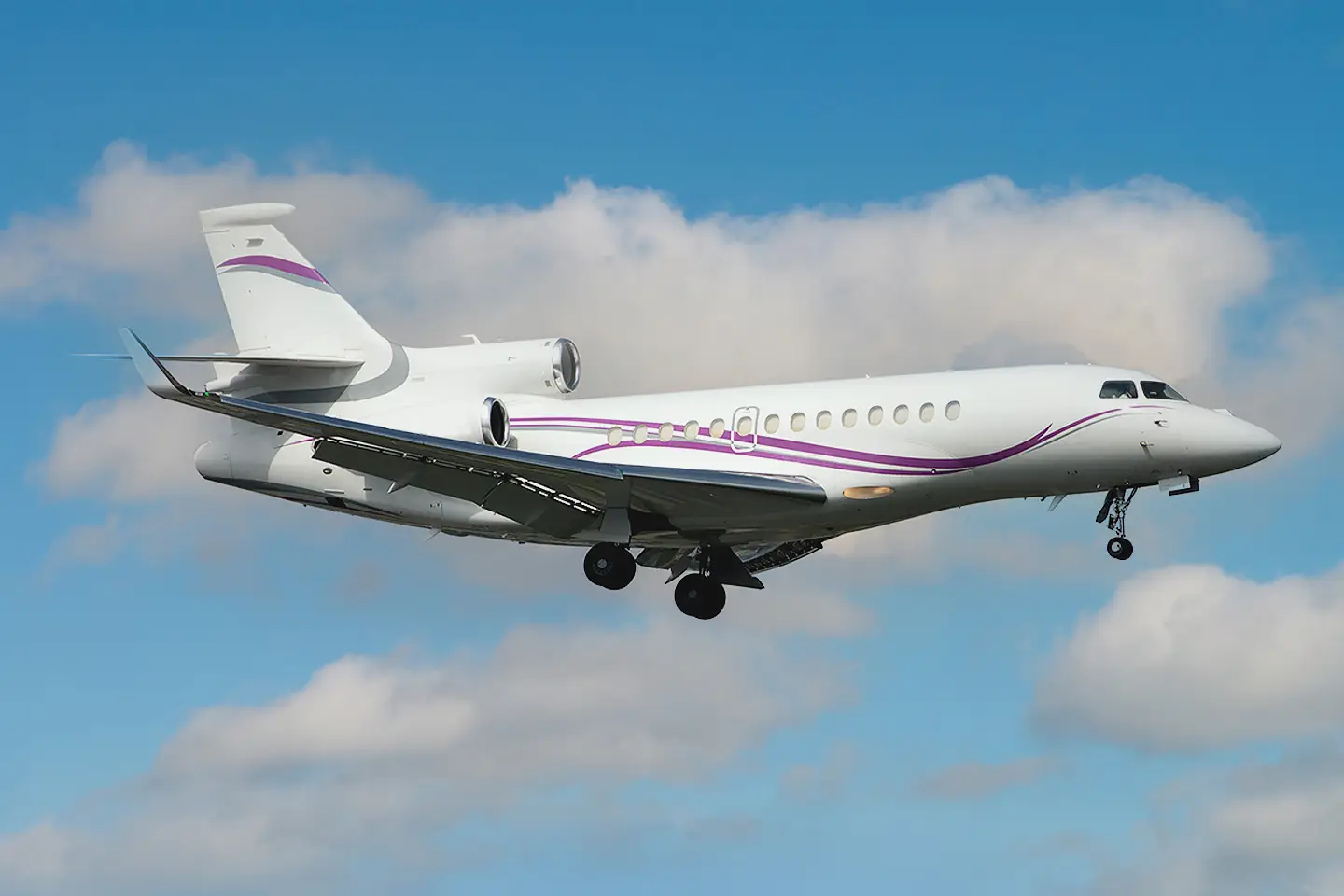
Turboprop vs Light Jet: When the Propeller Is the Smarter Charter
The propeller carries an image problem and a spreadsheet advantage. On short legs, the King Air-class turboprop is the best-kept open secret in charter.
Bravo Editorial Team/September 6, 2026/Updated September 23, 2026/5 min read
Tell a first-time charterer their best option has propellers and watch the face fall. The turboprop suffers the worst image problem in private aviation, passengers hear "prop plane" and picture something rickety, when the reality is a pressurized, twin-turbine (or single-turbine) aircraft flown by professional crews, often on the same certificate as the jets parked beside it. Dispatchers, meanwhile, quietly put their own families on King Airs.
The truth is a math problem, and it has a crossover point. Here's the honest comparison.
The Contenders
The turboprop bench: the Beechcraft King Air series, the 350 is the class benchmark, and the Pilatus PC-12, the single-engine turboprop that built a cult following on versatility. Cruise speeds around 260–300 knots, cabins seating six to nine, and hourly charter rates of roughly $2,200–$4,000.
The light jet bench: the Phenom 300, Citation CJ3, and their siblings, around 400–450 knots, four to seven seats, and hourly rates of roughly $3,500–$6,000. (The PC-24, Pilatus's jet, deliberately splits the difference: jet speed with rough-strip capability.)
On paper the jet is 50% faster. The catch: speed only matters in cruise, and short flights barely have any.
The Math That Surprises Everyone
Block time, taxi, climb, approach, is mostly fixed overhead regardless of what's on the wing. On a short leg, that overhead swamps the cruise-speed difference:
| Turboprop | Light jet | |
|---|---|---|
| Block time | ~1.1 hours | ~0.9 hours |
| Time saved by the jet | , | ~15 minutes |
| Typical charter cost | ~$2,700–$4,800 | ~$4,200–$7,200 |
| Cost of those minutes | , | Roughly $1,500–$2,400 |
Fifteen minutes for the price of a family dinner for forty. Stretch the leg to 500 nautical miles and the jet's advantage grows toward 40 minutes, worth paying for on many missions. Push past 700–800 nautical miles and the turboprop stops being a serious candidate: the time gap becomes real, and you're outside the prop's comfortable mission profile anyway.
“Under about 300 nautical miles, you're not buying speed, you're buying the picture of speed.”
The cost estimator runs both classes on any route; the crossover point lands in different places depending on your value of time, but it always exists.
Where the Turboprop Simply Wins
Price aside, there are missions where the propeller is operationally superior:
- Short and unpaved strips. Turboprops operate from runways that jets can't touch, mountain strips, island fields, ranch and backcountry access. A PC-12 lands places a CJ3 flies over.
- Mountain-town flexibility. Fields like Telluride and the high-country strips around Aspen and Big Sky reward aircraft with strong short-field manners; in marginal conditions, the turboprop's slower approach speeds widen the operational window. The ski-season guide covers the winter version of this calculus.
- Cargo-hauling practicality. King Air-class cabins swallow gear, bikes, gun cases for hunting season, trade-show freight, that forces light jets into Tetris or defeat.
- Island hops. The Bahamas out-islands and Caribbean short fields are turboprop country by design; runway length and fuel availability, not prestige, pick the aircraft there.
Where the Light Jet Earns Its Rate
The jet's case is just as real when the mission fits it:
- Legs past ~400 nautical miles, where cruise speed compounds into an hour or more of saved time.
- Weather-topping. Jets cruise in the low-to-mid 40,000s, above most weather; turboprops ride lower, in the high 20s and low 30s, where summer buildups live. On stormy days the jet ride is measurably smoother.
- Cabin altitude and quiet. Modern light jets like the Phenom 300 series run quieter cabins and lower cabin altitudes, the difference shows on a two-hour-plus leg.
- The optics, honestly. If the trip is client-facing and the client expects a jet, that's a real business consideration. Buy it knowingly, priced in dollars per minute saved.

What the Ride Is Actually Like
The image problem deserves a direct answer, because most people picturing "prop plane" are picturing the wrong aircraft entirely. A King Air 350 cabin is pressurized, climate-controlled, and seats passengers in club configuration with a lavatory aft, the same fundamental experience as a light jet, a few thousand feet lower and a few decibels different. The PC-12's single-pilot, single-engine profile gives some first-timers pause; its safety record and the engine's reliability statistics are why it's one of the best-selling turbine aircraft in the world, and why charter operators build entire fleets around it.
Two honest experiential differences. First, sound: the propeller note is present in a way jet passengers notice for the first few minutes, more felt than intrusive, and forward seats are quieter than aft. Second, altitude: turboprops cruise where weather sometimes lives, so on an unstable summer afternoon a jet topping the buildups at 43,000 feet rides smoother than a King Air picking through them at 28,000. On the clear-morning short hop that makes up the class's core mission, the difference rounds to nothing.
What doesn't differ: the FBO at both ends, the crew standards under the same Part 135 certificate, the fifteen-minute boarding, the car on the ramp. Passengers who try the turboprop for the right mission almost universally stop noticing the propellers by the second trip, the wallet notices the difference far longer.
The Decision in Three Questions
- 01How far, really? Under 300 nm: turboprop unless something else vetoes it. 300–500 nm: genuine toss-up, let price and schedule decide. Over 500: jet.
- 02Where, exactly? Short strip, island field, mountain town, the runway may make the choice for you, in the prop's favor.
- 03Who's aboard? Six people with gear favor the King Air cabin; a client you're impressing may favor the Phenom; a family with a nervous flier favors whichever crew and cabin they'll relax in.
One more honesty checkpoint: safety between the classes is a wash when the operator is right. A well-maintained turboprop flown by a current, type-experienced crew under a solid Part 135 certificate is not a step down from a jet, the certificate and the crew, not the propeller, carry the safety load. Vet the operator the same way either way, per our vetting checklist.
The Bottom Line
The turboprop is what happens when you optimize for the trip you're actually taking instead of the one in the brochure. For the short regional legs that make up an enormous share of real charter flying, it delivers the same crews, the same FBO experience at both ends, at close to half the rate. Spend the savings on more trips, better catering, or the winter leg where the jet genuinely earns its rate; that's exactly what the dispatchers who fly their own families do.
Keep reading
All posts →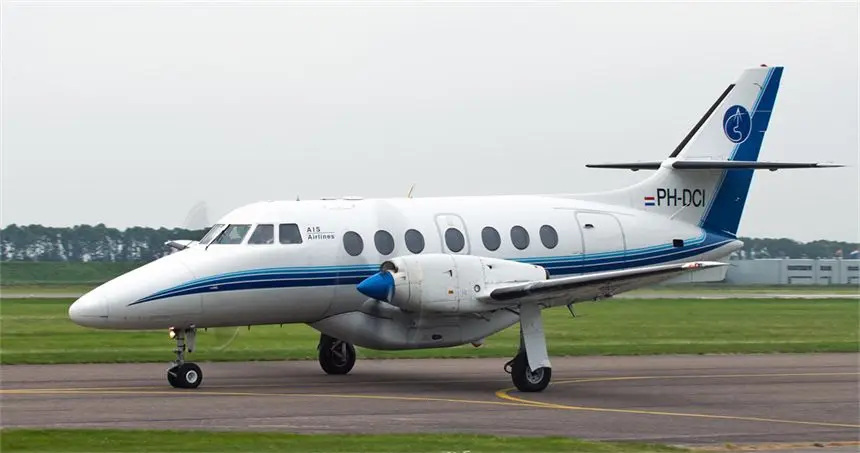 Industry Explainers
Jet Card Deposits: Where Your Money Actually Sits
Most jet card deposits are working capital the day they land, not escrowed funds. Where your balance really sits, and how to protect it.
5 min read
 Industry Explainers
ARGUS Platinum Operators: Who Has the Highest Safety Rating
Only 38 operators worldwide hold ARGUS Platinum. Here is what makes the rating so difficult to earn and which operators on the Bravo register have it.
8 min read
 Industry Explainers
Difference Between ARGUS Gold and Platinum Safety Ratings
When does ARGUS Gold matter, when does Platinum matter, and how should charter buyers use these ratings to make informed decisions?
7 min read
Ready when you are
Compare rated operators on your route
One request, multiple itemized quotes from audited Part 135 operators, with reviews and safety ratings beside every name.